Basement In-Floor Heating Calgary
Why More Calgary Homeowners Are Choosing In-Floor Heat
A cold basement is one of the most common complaints homeowners have in Calgary. Even in a finished basement, the space can still feel chilly for much of the year, especially first thing in the morning or during long stretches of winter. Standard forced-air heating often does not solve the problem properly. Basements tend to lose heat differently than the rest of the home, and warm air does not always distribute evenly where you need it most.
That is why basement in-floor heating has become a popular upgrade for Calgary homeowners, especially as part of a basement renovation. Instead of trying to push warm air into a naturally cooler space, in-floor heating warms the room from the ground up. The result is a basement that feels more comfortable, more consistent, and much more usable through every season.
Whether you are finishing a basement for the first time or upgrading an older lower level, in-floor heat is one of the best ways to improve comfort in a meaningful way.
What Basement In-Floor Heating Actually Is
In-floor heating is a radiant heating system installed beneath the finished floor. Rather than heating the air through vents, the system heats the floor surface itself, which then warms the room more evenly.
There are two main types of in-floor heating used in residential projects.
Electric In-Floor Heating
Electric systems use heating cables or mats installed below the flooring surface. These systems are often easier to install in smaller basement areas, especially during a renovation. They are a common choice for basement bathrooms, laundry areas, or smaller finished spaces where homeowners want targeted comfort.
Hydronic In-Floor Heating
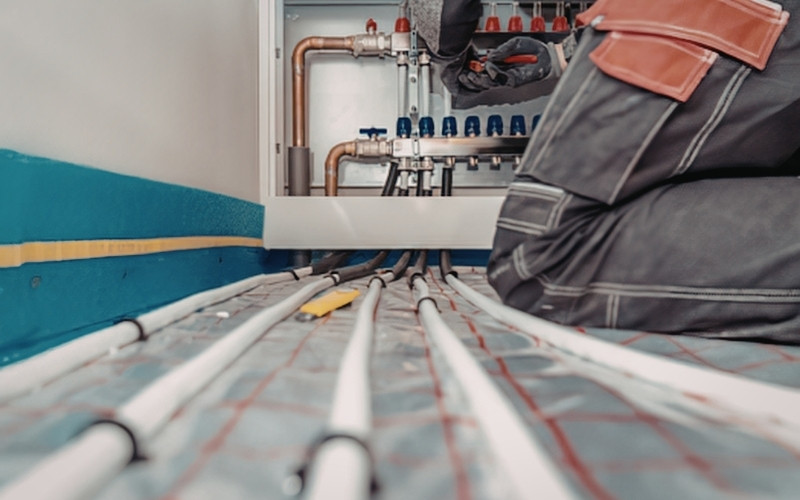
Hydronic systems use warm water running through tubing beneath the floor. These systems are more common in larger projects or custom homes, especially where the homeowner wants to heat a larger basement area efficiently. Hydronic systems tend to involve more planning and a larger upfront installation scope, but they can be very effective for whole-basement heating.
The right system depends on the size of the basement, the type of renovation, the home’s existing mechanical setup, and the budget.
Why It Works So Well in Calgary Basements
Calgary basements deal with a few challenges that make radiant floor heating especially appealing.
The first is the obvious one: cold weather. Basements sit below grade, and even well-built homes can end up with floors that feel cold underfoot during much of the year. Tile, vinyl, laminate, and engineered flooring can all feel noticeably colder in basement conditions than they do upstairs.
The second challenge is comfort. Forced-air systems often leave basements feeling uneven, with warm spots near vents and colder zones farther away. In-floor heating creates a more even heat profile across the room, which makes the space feel better overall.
The third issue is how the space is used. More Calgary homeowners are turning basements into legal suites, family rooms, home gyms, offices, bedrooms, and entertainment spaces. Once a basement becomes part of your daily living area, comfort matters much more. A basement that is too cold will never feel fully finished, no matter how good it looks.
Best Spaces for Basement In-Floor Heating
In-floor heating can work across an entire basement, but it is especially effective in certain areas.
Basement Bathrooms
This is one of the most common places to add in-floor heat. Heated tile in a basement bathroom makes a noticeable difference, especially in winter. It adds comfort and gives the room a more finished feel.
Family Rooms and Rec Rooms
If the basement is being used as a main gathering space, radiant floor heating can help the room feel more like a natural extension of the rest of the home rather than a colder lower level.
Basement Bedrooms
For homeowners adding bedrooms to a basement renovation, in-floor heat can improve overnight comfort and help make the room more appealing for family members or guests.
Home Offices and Gyms
If you spend long periods of time in the basement working or exercising, floor-level warmth can make the space far more pleasant to use year-round.
Flooring Matters
One of the most important parts of planning basement in-floor heating is choosing the right flooring. Not every flooring material transfers heat in the same way.
Tile is one of the best options because it conducts and holds heat very well. That is one reason heated basement bathrooms are so popular.
Luxury vinyl plank can also work well, depending on the product and the heating system used. Many homeowners choose it because it gives a warmer look than tile while still being practical for basement conditions.
Engineered flooring may also be suitable, but product specifications matter. Some materials are better suited to radiant heat than others.
Carpet is usually less effective because it acts as an insulator and can reduce how efficiently the heat moves into the room.
This is why flooring and heating should always be planned together rather than treated as separate decisions.
Is It Worth It?
For many homeowners, yes. Basement in-floor heating is one of those upgrades that may not be the first thing people see, but it often becomes one of the things they appreciate most once they live with it.
The value comes from day-to-day comfort. A warmer basement feels more inviting, more livable, and more complete. It can also help the space feel more consistent with the rest of the home, especially in a finished basement where comfort matters just as much as appearance.
From a resale perspective, heated basement floors can also be a strong feature, particularly in Calgary where buyers understand what a cold basement feels like.
Things to Consider Before Installing It
Like any renovation upgrade, basement in-floor heating works best when it is planned properly.
The first thing to consider is when the installation is happening. It is much easier to add in-floor heating during a basement renovation or basement finishing project than after the flooring is already complete.
The next consideration is the subfloor and floor build-up. Some systems add height, and that can affect transitions, doors, or ceiling clearance, depending on the basement.
Budget is also part of the decision. Electric systems may make sense for smaller areas, while hydronic systems may be worth considering for larger basements or more extensive residential projects.
You also want to make sure the rest of the basement is being built properly. In-floor heating works best when insulation, moisture control, subfloor preparation, and flooring choices are all handled correctly.
Work With the Right Contractor
Basement heating is not just a flooring decision. It affects layout, product selection, electrical or mechanical planning, and the overall renovation process. That is why it helps to work with a contractor who understands how the whole basement system comes together.
At Edge Pro Builders, we look at basement renovations as complete living spaces. That means thinking beyond finishes and making sure the basement feels comfortable, practical, and built to suit Calgary conditions. If in-floor heating makes sense for the space, it should be planned properly from the beginning so the finished result works the way it should.
How to Bring it All Together
If you are renovating a basement in Calgary, comfort should be part of the plan from the start. A finished basement that still feels cold is never going to reach its full potential. In-floor heating is one of the most effective ways to make the space feel warmer, more usable, and more comfortable through every season.
For homeowners who want to get more out of their basements, it is an upgrade worth serious consideration. A well-finished basement should not just look better. It should feel better too.
Frequently Asked Questions
What is radiant floor heating and how does it work in a basement?
Radiant floor heating is a system that warms the floor surface from below instead of pushing heat through vents. In a basement, this helps deal with cold floors more effectively than many forced air systems. A radiant floor heating system works by delivering heat evenly across the floor, which makes the room feel more comfortable from the ground up. For many Calgary homes, that kind of consistent warmth makes the basement feel much more usable year-round.
What is the difference between electric floor heating and hydronic floor heating?
Electric floor heating uses electric cables or mats beneath the floor to generate heat. Hydronic floor heating uses heated water running through tubing under the floor. Hydronic radiant floor heating is often used in larger spaces or full basement developments, while electric floor heating can be a practical option for smaller spaces like basement bathrooms. The right choice depends on the layout, the heating system already in the home, and the overall budget.
Are in floor heating systems a good choice for basements in Calgary?
Yes, in floor heating systems are a strong option for Calgary homes because basements often struggle with cold floors and uneven temperatures. Basement floor heating helps warm the room more evenly and can reduce the discomfort that comes from walking on cold concrete floors. In a cold climate, infloor heating can make all the difference in how comfortable a finished basement feels.
Is hydronic radiant floor heating better than electric floor heating?
Neither option is automatically better in every situation. Hydronic radiant floor heating can be a good fit for larger basement projects because it can be more cost effective in the long run, especially when heating different areas of a larger home. Electric floor heating is often simpler for smaller spaces and targeted areas. The best choice depends on the basement size, the heating options available, and whether you are renovating an existing basement or building a new house.
Can radiant heating improve energy efficiency?
Radiant heating can support better energy efficiency because it delivers heat more directly and evenly than some forced air systems. Instead of constantly cycling warm air through vents, radiant floor systems heat the floor itself, which can reduce heat loss and create more consistent comfort. Energy use will still depend on the type of system, insulation levels, and the rest of the home, but many homeowners see radiant floor heating as an energy efficient upgrade when it is designed properly.
What type of boiler or equipment is needed for hydronic heating?
Hydronic heating usually relies on a source of hot water such as a water heater, combi boiler, or another compatible heating system. The system moves heated water through durable PEX tubing installed beneath the floor. In some homes, a combi boiler is the preferred option because it can support both space heating and domestic hot water, but the right setup depends on the size of the project and the rest of the home’s mechanical system.
Can you install basement floor heating over existing concrete?
Yes, installing in floor heating over existing concrete is possible in many cases, but the build-up of the floor has to be planned carefully. The type of underfloor heating system, insulation, floor height, and finished flooring all matter. In a basement renovation, the contractor will need to assess the existing concrete and determine the best approach for performance and long-term durability.
What flooring types work best with heated floors?
Some flooring types perform better than others with heated floors. Tile is one of the best options because it transfers heat well. Certain vinyl and other approved products can also work well depending on the manufacturer. Engineered hardwood may be suitable in some applications, but product selection matters. The right flooring types should always be chosen with the floor heating system in mind so the final result performs properly.
Does radiant floor heating help with air quality?
Yes, it can. Because radiant heating does not rely on blowing warm air through ducts like forced air systems, many homeowners find it contributes to cleaner air and better overall air quality. With fewer dust particles being pushed around, radiant floor heating can feel like a cleaner and quieter way to heat a basement.
Is basement in-floor heating a good investment?
For many homeowners, yes. Basement infloor heating can improve comfort, reduce the feel of cold floors, and make the lower level much more enjoyable to use. It can also add to resale value when the basement is finished well and designed as part of the main living area. While the upfront cost varies by square foot, system type, and scope of work, many homeowners see it as a great investment because of the comfort, performance, and long-term value it adds.